
Bhutan Travel Tips
Why Bhutan’s Highest Peaks Are Closed to Climbers
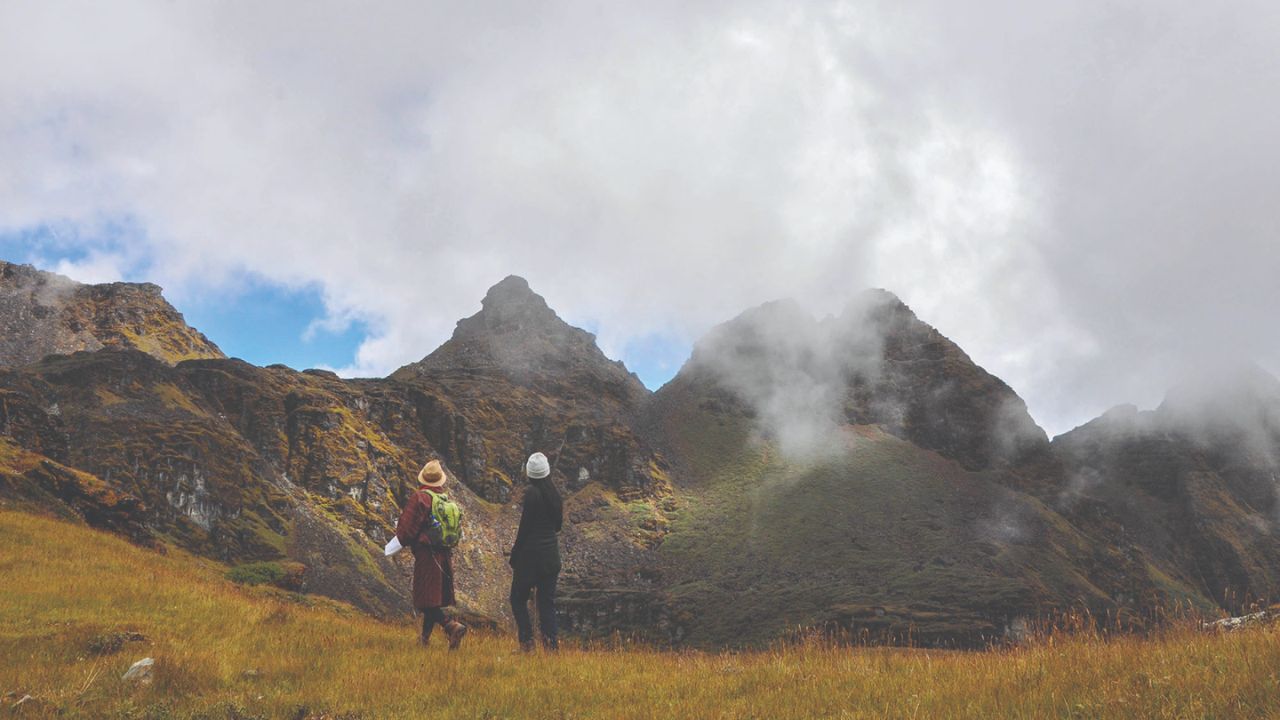
Gangkhar Puensum, at 7570 metres, is the highest mountain in the world that has never been climbed, and it sits entirely inside Bhutan. That is not an accident of remoteness, it is policy, and the reasoning behind it tells you something real about how the kingdom sees its own landscape.
The ban itself
Bhutan closed all peaks above 6000 metres to mountaineering in 1994 and banned climbing entirely, at any altitude, in 2003. This is not a permit restriction that can be worked around with the right paperwork, it is a complete prohibition, and Bhutan is the only country in the world with a policy this absolute toward its own highest terrain.
Why, in the kingdom’s own terms
Bhutan’s high peaks are considered the abode of protective deities in the Buddhist and pre Buddhist belief systems still practised across the country, and climbing them is regarded as a genuine spiritual transgression rather than a symbolic one. This is not tourism marketing dressed up as tradition, it reflects how many Bhutanese communities, particularly in the valleys nearest these mountains, actually understand the landscape around them.
What it means in practice
Gangkhar Puensum has drawn multiple international expeditions since the 1980s, all unsuccessful before the ban and none permitted since. For a guest who has climbed elsewhere in the Himalaya, this can be a genuine surprise, Bhutan is a Himalayan country with world class peaks visible from the trails, and none of them are for climbing.
What is still open
The ban is on summiting, not on being near these mountains. Treks such as the Jomolhari route bring guests to the base of some of Bhutan’s most sacred peaks, close enough to fully appreciate their scale, without crossing into their summits. This is arguably the more interesting version of the experience for most guests in any case, since the mountains remain what they have always been to the people who live beneath them, rather than becoming another checklist summit.
A different idea of achievement
Where mountaineering in much of the Himalaya has become a measure of what a climber can conquer, Bhutan’s policy quietly makes the opposite argument, that some places are worth leaving alone. It is a small but genuine window into Gross National Happiness applied to landscape rather than economics, and it is one of the more distinctive facts a guest carries home from the kingdom.
More from the Journal
A few other notes in this same quiet vein.
Let this be your starting point.
If something in this note resonated, tell us. We will design a private journey around the feeling you are seeking.
Plan your private journey