
Trekking in Bhutan: Routes, Seasons and How to Choose
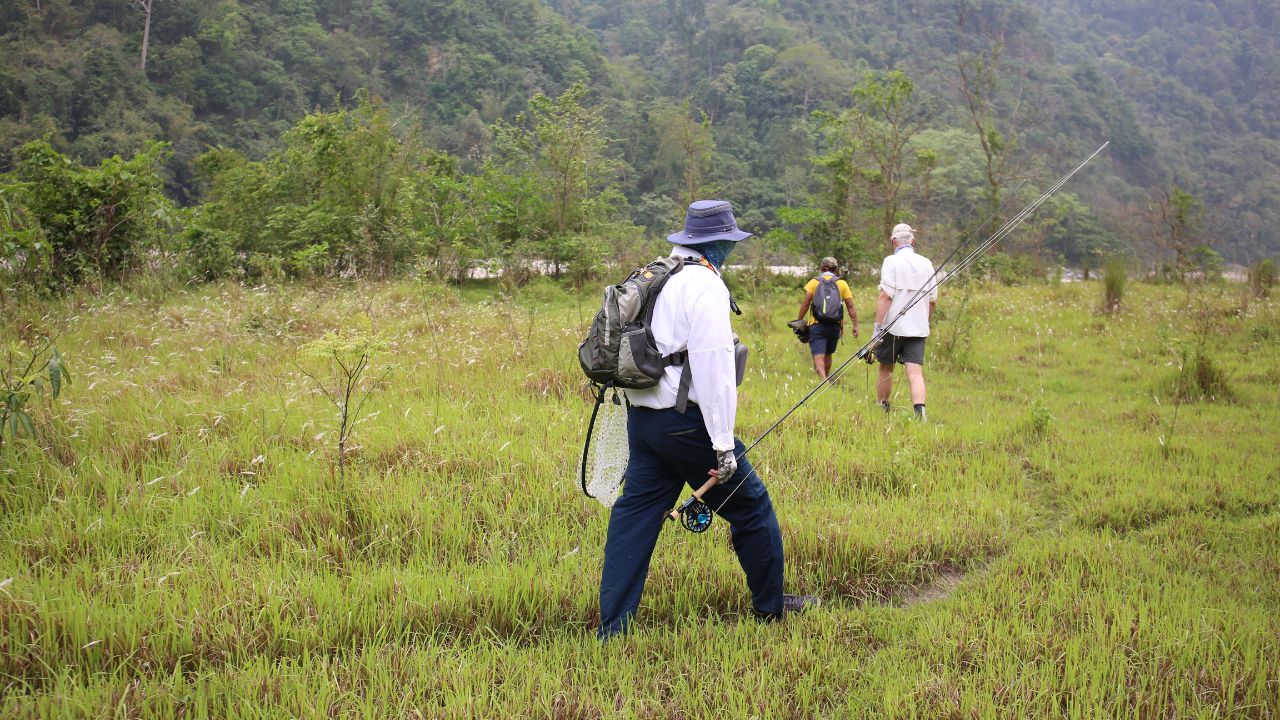
Bhutan trekking sits at an unusual point among Himalayan countries: routes are restricted, guided, and permitted rather than freely walked, which keeps trails close to empty even in high season. What that costs in spontaneity it returns in something rarer, days on a trail with almost no one else on it. Here is how the routes actually differ, and how we match a guest to one.
When to trek
Spring, March through May, and autumn, late September through November, are the two strong windows, both offering clear skies and stable trail conditions. Autumn tends to hold its clarity longest and is the more popular of the two. Monsoon, June through August, makes trekking above 3000 metres genuinely difficult, with swollen rivers and slippery, exposed trail sections, and is best avoided for anything beyond a short, low altitude walk. Winter closes the higher passes with snow but leaves gentler routes, and the Phobjikha valley trail in particular, open and often at their most beautiful.
The routes, by difficulty
Gangtey Nature Trail. An easy two hour walk through blue pine forest and open marsh above the Phobjikha valley, achievable for nearly any fitness level and often paired with a night watching the black necked cranes in winter. This is where we start guests who want a genuine trekking morning without a multi day commitment.
Druk Path Trek. Four to six days, moderate difficulty, connecting Paro and Thimphu over a string of alpine lakes at around 4000 metres. No technical difficulty, but real altitude and real distance each day. A strong first proper trek for a guest with reasonable fitness and no prior high altitude experience.
Dagala Thousand Lakes Trek. A quieter, less walked alternative in similar moderate territory, through a high altitude lake district above Thimphu with excellent Himalayan views on a clear day and considerably fewer other trekking groups than Druk Path.
Jomolhari Trek. Eight to nine days, more demanding, tracking toward the base of Jomolhari, one of Bhutan’s most sacred and most photographed peaks, and crossing a genuine high pass above 4900 metres. This is a serious trek requiring real trekking fitness and a properly built acclimatisation schedule, which we treat as non negotiable rather than optional.
Snowman Trek. Twenty five days or more, among the hardest treks in the world, crossing multiple passes above 5000 metres through some of the most remote country in the Himalaya. This is a trek for guests with genuine multi day high altitude trekking experience, planned many months in advance. We price it on application rather than as a standard itinerary, because every Snowman journey is built individually around the guest attempting it.
How we build a trek
Every itinerary includes rest days built in above 3500 metres rather than treated as optional slack, a pace set to the slowest comfortable walker in your party rather than the fittest, and a guide who has walked the route enough times to read weather and altitude symptoms early. If a route looks too compressed for your fitness or your dates, we will say so before you book it, not after you are on the trail.
Health and altitude
Altitude sickness is a genuine consideration above 3500 metres, not a formality. We build gradual ascent into every trekking itinerary and can advise on medication such as Diamox before you travel. If you have never trekked above 3000 metres before, tell us, and we will choose your first Bhutan trek accordingly rather than starting you on the hardest option on the list.
More from the Journal
A few other notes in this same quiet vein.
Let this be your starting point.
If something in this note resonated, tell us. We will design a private journey around the feeling you are seeking.
Plan your private journey