Botanical Bhutan
Forty-six species of rhododendron, the blue poppy, and the valleys that hold them.
Why we created this journey
Every journey we design starts with a question rather than an itinerary. What is the one thing about this part of Bhutan that someone should understand before they leave? The places and the days follow from that question, not the other way around.
We do not build journeys by stringing together famous sights. We build them by thinking about who the traveller is, what they will notice, and what they will carry home with them. That takes longer. We think it is worth it.
Moments you may remember
- Watching first light reach the valley before anyone else is awake
- A conversation that runs longer than the meal
- An afternoon with nowhere particular to be
- The sound of a river you did not know you needed to hear
- A handwritten postcard arriving after you have returned home
This journey may suit you if
- You prefer a few places experienced well over many places ticked off
- You are more interested in how people live than in how many temples you visit
- You value time and space in your travels
- You do not want to change hotels every night
- You are comfortable at a slower pace and find that pace more rewarding
From USD 350 per person per day for groups of 2, fully inclusive of accommodation, private vehicle and licensed guide, all meals, permits, SDF, and 24-hour support. Rates are tailored to your group. Customised to fit you.
Highlights of this journey
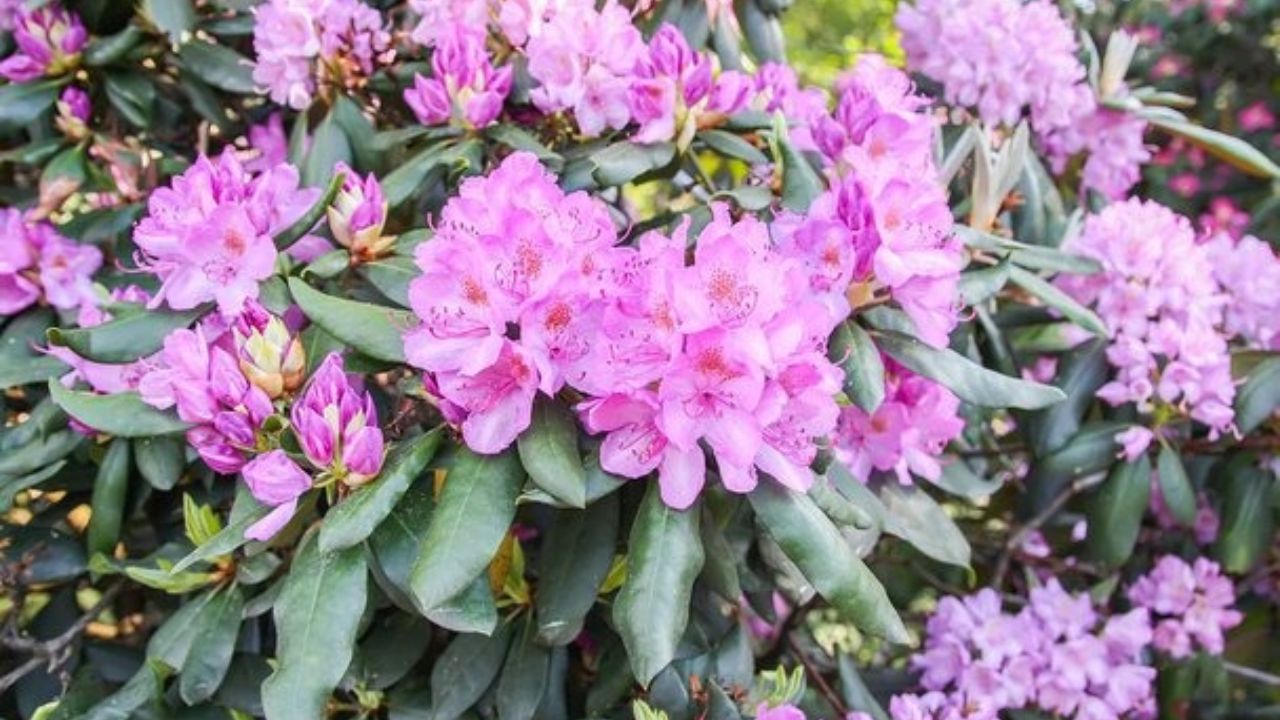
- The Dochu La ridge in April: arboreal rhododendrons in full bloom at 3,116 metres, 108 chortens visible through the canopy on a clear day
- Blue poppies at Chelela Pass — Meconopsis grandis, Bhutan's national flower, growing in the wild at nearly 4,000 metres (summer variation)
- Punakha valley floor in spring: Dendrobium orchids along the river path below Punakha Dzong
- Phobjikha at 2,900 metres — a glacial valley of dwarf bamboo, black-necked cranes (in season), and Himalayan flora that changes week by week
- A half-day with a naturalist botanist from the Royal Botanic Garden of Bhutan, Serbithang — walking the garden's collection of 2,400 native species
- The Chelela meadow path at first light before the clouds come in — a kind of silence that belongs specifically to high-altitude Bhutan
Sample itineraries
-
Day 1 Arrive Paro. Afternoon in the valley.
Land at Paro International Airport on the morning Drukair flight. Our team meets you at the gate. We drive to Paro town and check in to the hotel, then spend the afternoon walking the valley floor — the first botanist's instinct in Bhutan is always to look down before looking up, because the riverbank flora is already doing something. Dinner in Paro.
-
Day 2 Paro to Thimphu. Serbithang Botanic Garden.
Drive to Thimphu, one hour along the Wang Chhu river valley. After check-in, we visit the Royal Botanic Garden of Bhutan at Serbithang — a working conservation garden on a hillside above the capital, with 2,400 native species in cultivation. A naturalist from the garden joins us for a half-day walk through the collection. This is the best single introduction to Bhutan's flora: labelled, accessible, and explained by someone who knows the plants as living things rather than specimens. Dinner in Thimphu.
-
Day 3 Thimphu valley flora walk. Afternoon at the Memorial Chorten.
A slow morning in the Thimphu valley — the hillside above Dechen Phodrang monastery holds a stand of mixed temperate forest where magnolias and rhododendrons flower in early spring at lower altitude than the Dochu La. We walk for three hours, then lunch in Thimphu. Afternoon at the National Memorial Chorten — a place of daily pilgrimage that tells you something true about how Bhutanese people move through their days. Free evening.
-
Day 4 Dochu La. The rhododendrons at 3,116 metres.
We drive over the Dochu La pass at dawn, arriving before the tour buses and before the clouds come up the southern face. The ridge is a forest of arboreal rhododendrons, some of them seven or eight metres tall and decades old, in full flower. Twenty-plus species visible within two hours of walking. The 108 chortens stand among them; the Himalayan range is north of the cloud line on a clear morning. We walk for three to four hours, photograph extensively, then descend into the Punakha valley for a late lunch. Check in to the hotel by the river.
-
Day 5 Punakha valley floor. Orchids and the dzong.
The Punakha valley floor in spring holds Dendrobium orchids along the river paths and in the trees above the water. We walk the path below Punakha Dzong — across the cantilever bridge over the Mo Chhu, south along the bank — for two hours with the naturalist. Then the dzong itself: the most beautiful dzong in Bhutan, explained by someone who can tell you which trees in the courtyard are medicinal and why they were planted there. Lunch in the valley. Free afternoon at the hotel.
-
Day 6 Punakha to Phobjikha. Crossing the Black Mountains.
We drive east across the Pele La pass at 3,420 metres — the boundary of the Black Mountains, where the flora shifts from temperate broadleaf to alpine scrub and dwarf rhododendron — and descend into the Phobjikha valley. Phobjikha is a glacial valley at 2,900 metres: wide, open, cold even in May, and botanically different from everything that came before. The dominant plant is the dwarf bamboo that the black-necked cranes eat in winter. The hillsides above the valley carry high-altitude flora at accessible gradients. Check in to the hotel, then a late afternoon walk on the valley floor.
-
Day 7 Phobjikha. Full day in the valley.
A full day to work the valley properly. Morning walk to Gangtey Goemba on the ridge — a 17th-century monastery above the bamboo flats, with a view down the entire valley — then through the bamboo to the crane-watching hide on the eastern side. Afternoon: the high meadow above the valley for alpine species. The naturalist identifies what is flowering at this altitude in this week — it changes significantly from April to May. A slow dinner and early night.
-
Day 8 Phobjikha to Paro. Return through Punakha.
We drive back west — Punakha valley for a lunch stop, then up the Dochu La for a second look at the ridge in afternoon light, which reads differently from morning — and on through Thimphu to Paro. The second pass is not a repeat; you know what to look for now. Check in to the Paro hotel by early evening. Dinner in the valley.
-
Day 9 Paro valley. Tiger's Nest and the forest flora.
The walk to Taktsang — Tiger's Nest — passes through a mixed conifer and rhododendron forest that holds a different set of species from the Dochu La ridge. We take the less-used upper trail, where the forest is denser and the flowering shrub layer is accessible. Three hours up, time at the monastery, two hours down. Lunch at a farmhouse below the trail. Afternoon free.
-
Day 10 Depart Paro.
Breakfast at the hotel. Our team drives you to Paro International Airport for your morning flight. We send a postcard from Thimphu after you leave.
-
Day 1 Arrive Paro. Afternoon in the valley.
Land at Paro International Airport. Our team meets you. We drive to Paro town and check in, then walk the valley floor for the first hour — the summer flora in the lower valley is already different from spring, with new growth along the riverbank and the hillside scrub in a deeper green. Dinner in Paro.
-
Day 2 Chelela Pass. The blue poppy at 3,988 metres.
We drive the Chelela Pass at 3,988 metres, the highest motorable pass in Bhutan, reaching the meadow path above the treeline by early morning before the clouds come in from the south. The Meconopsis grandis, the Himalayan blue poppy and Bhutan's national flower, grows in the wild here in late June and early July: a saturated cobalt blue on a tall stem, in the grass between the fir trees at the treeline and the bare rock above. Lunch in the Haa valley below the pass. Afternoon in the Haa valley — one of the least-visited valleys in Bhutan, no tour buses, a quiet river and a village market if the timing aligns.
-
Day 3 Haa valley. Valley flora and the oldest temples.
A morning walk in the Haa valley — the valley floor flora in summer is meadow-rich, with primulas, gentians, and high-altitude herbs alongside the cultivated fields. We visit Lhakhang Karpo and Lhakhang Nagpo — the White Temple and the Black Temple, two of the oldest in Bhutan, sitting together in a field above the river. In the afternoon we drive back to Paro.
-
Day 4 Paro to Thimphu. Serbithang Botanic Garden.
Drive to Thimphu. Afternoon at Serbithang — the Royal Botanic Garden of Bhutan, with 2,400 native species in cultivation and a naturalist from the garden to walk us through. The summer collection is at its fullest now: the garden's high-altitude section holds specimens that are flowering in the wild on the passes this week. Dinner in Thimphu.
-
Day 5 Thimphu valley. Forest walk and the Memorial Chorten.
Morning walk above Dechen Phodrang monastery — summer forest, denser and darker than spring, with different orchid species in the canopy and ferns along the path. Afternoon at the National Memorial Chorten in Thimphu. Free evening.
-
Day 6 Dochu La. The ridge after the rhododendrons.
The Dochu La in summer reads differently: the rhododendrons have finished flowering and the leaf canopy is fully out. What is visible now is the structure of the forest — the arboreal scale of the older trees, the lichen and moss on the bark, the understory that was hidden by flowers in April. A two-hour ridge walk with the naturalist explaining the forest ecology rather than the flowering season. Then down into Punakha.
-
Day 7 Punakha valley floor. Orchids and the dzong.
The valley orchids in summer are different from spring — Coelogyne and Cymbidium species in the trees above the Mo Chhu path. We walk the river below Punakha Dzong, then spend an hour in the dzong courtyard. Lunch in the valley. Afternoon boat trip up the Mo Chhu — the summer river is fuller and faster than spring, the banks overhung with vegetation.
-
Day 8 Punakha to Paro. Return.
Drive back over the Dochu La and through Thimphu to Paro. A late afternoon walk in the Paro valley on arrival — the light in summer comes later and the valley is still warm at six in the evening. Dinner by the river.
-
Day 9 Paro. Tiger's Nest forest in summer.
The forest on the Tiger's Nest trail in summer is at its densest. We take the upper trail, slower and quieter than the main path, where the humidity from the monsoon edge brings out a different range of mosses, ferns, and flowering shrubs in the understorey. Three hours up, the monastery, two hours down. Afternoon free.
-
Day 10 Depart Paro.
Breakfast at the hotel. Our team drives you to Paro International Airport. We send a postcard from Thimphu after you leave.
-
Day 1 Arrive Paro. Afternoon in the valley.
Land at Paro International Airport. Our team meets you. We check in to the hotel and spend the afternoon walking the Paro valley floor — the valley in April is already green, the willows fully out, the first rhododendrons flowering on the lower hillsides before we reach the pass tomorrow. Dinner in Paro.
-
Day 2 Chelela Pass at dawn. Rhododendrons at 3,988 metres.
We drive the Chelela Pass before breakfast. In April the arboreal rhododendrons below the pass are in full flower, species stacked by altitude from the valley floor to the bare rock at the top. At the treeline the flower density is highest: Rhododendron arboreum, R. campanulatum, R. barbatum, and others, some of them trees three storeys tall. The naturalist identifies species by flower colour and leaf underside; the light in the early morning at this altitude is the reason photographers plan their whole trip around this specific window. Afternoon in the Haa valley. Dinner at the Haa guesthouse.
-
Day 3 Rhododendron Festival. Haa.
The Rhododendron Festival is held each April in Haa, timed to the flowering season and celebrating the district's position at the edge of the rhododendron belt. Cultural performances from the Haa community, displays of local crafts and foods, and a festival walk through the rhododendron groves on the hillside above the town. This is a local Bhutanese festival rather than a nationally organised tshechu — smaller, less formal, and more accessible in the sense that you are not watching a performance but attending a celebration that belongs specifically to this valley. Morning at the festival, afternoon walk on the valley floor. Dinner in Haa.
-
Day 4 Haa valley. Lhakhang Karpo and Lhakhang Nagpo.
A morning walk in the Haa valley before driving east. Lhakhang Karpo and Lhakhang Nagpo — the White Temple and the Black Temple — sit together in a field above the river: two of the oldest temples in Bhutan, founded in the 7th century, still in active use, still largely unvisited. The valley floor flora in mid-April holds primulas and early-season meadow species alongside the cultivated fields. We drive back over the Chelela in the afternoon for a second look at the pass in different light, then on to Paro for the night.
-
Day 5 Paro to Thimphu. Serbithang Botanic Garden.
Drive to Thimphu. Afternoon at the Royal Botanic Garden of Bhutan at Serbithang — the best single introduction to the flora you have been walking through. The spring collection is fully out in April: the garden's rhododendron section holds 46 native species in cultivation and the naturalist can show you what you saw on the Chelela in a labelled, explained context. Dinner in Thimphu.
-
Day 6 Dochu La. The ridge in April.
The Dochu La in April is at peak rhododendron bloom — arboreal trees in flower along the ridge among the 108 chortens, the Himalayan range north on a clear morning. We walk for two to three hours on the ridge with the naturalist, different species from the Chelela (lower altitude, different moisture regime), then descend into Punakha for lunch. Afternoon at Punakha Dzong. The valley orchids are starting along the Mo Chhu path in mid-April; if timing aligns we walk the river bank. Dinner in Punakha.
-
Day 7 Punakha to Paro. Tiger's Nest forest.
We drive back over the Dochu La and through Thimphu to Paro. In the afternoon we walk the lower section of the Tiger's Nest trail through the mixed conifer and rhododendron forest below the cliff — not to the monastery today, just the forest, which in April holds species that do not appear on the high passes. An hour in the forest, then dinner in Paro.
-
Day 8 Depart Paro.
Breakfast at the hotel. Our team drives you to Paro International Airport for your morning flight.
What is included
All accommodation, on the basis described per day
Private vehicle and licensed driver throughout
Licensed Bhutanese naturalist guide throughout (specialist in Bhutanese flora and photography)
Half-day with a Royal Botanic Garden of Bhutan naturalist at Serbithang
All meals (breakfast, lunch, dinner)
All permits and entry fees
Sustainable Development Fee (SDF)
24-hour in-country support
What is not included
International flights to Paro
Visa fee (USD 40)
Travel insurance
Personal expenses, tipping, drinks at meals
Optional experiences (browse and add to your wishlist)
What your journey gives back.
Bhutan is a carbon negative kingdom, where more than 70 percent of the land is covered in forests and the rivers remain clean and alive. The Sustainable Development Fee supports free healthcare, free education, and the protection of this extraordinary place.
This is not a tax. It is a shared commitment to preserve Bhutan for every generation that follows.
By visiting, you are not a tourist. You are a co-guardian of this kingdom.
Ready when you are.
Tell us roughly when you would like to come and how many you are. Our team in Thimphu will reply personally within 24 hours.
Plan this journey with our team