Modern and Medieval Bhutan
From the capital without traffic lights to the temples founded before the dzong system existed.
Why we created this journey
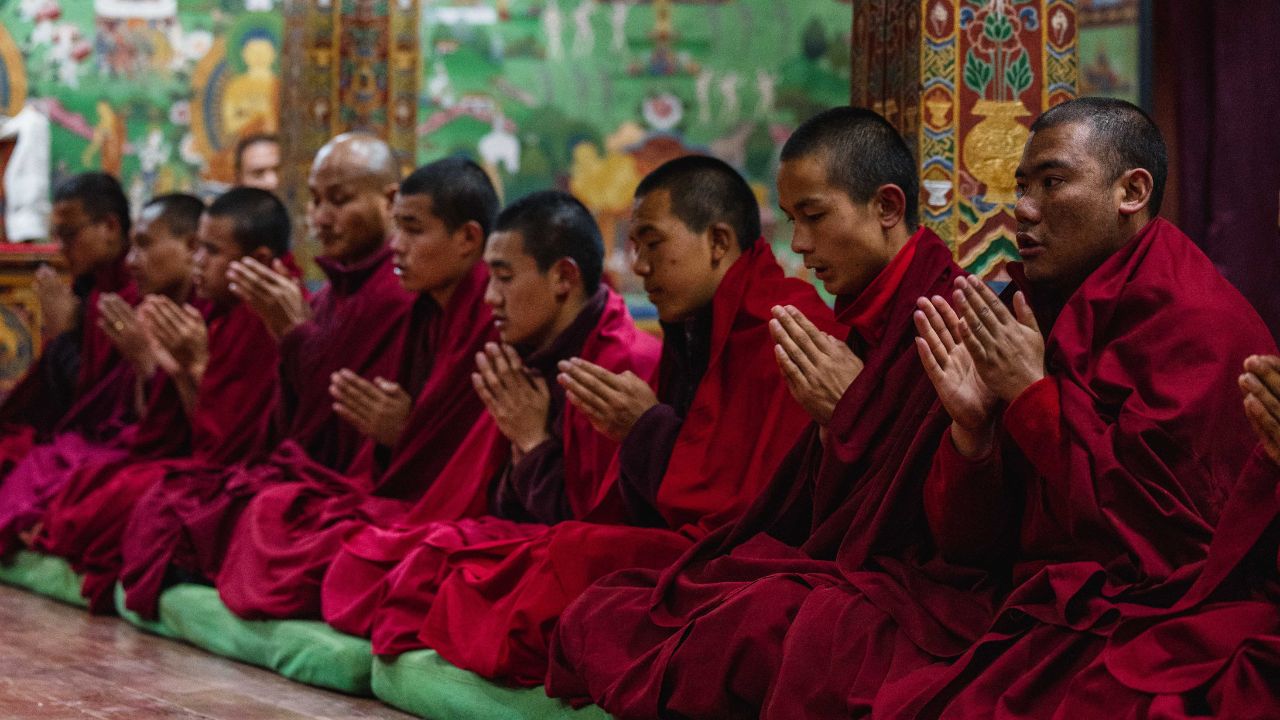
Bhutan’s story is often told through its monasteries and dzongs. This journey goes further — from contemporary Thimphu to some of the country’s oldest temples, tracing how Bhutan changed while much of its cultural life endured.
The 10-day journey reaches Bumthang; with 12 days, continue east to Lhuentse.
Highlights of this journey
- Tashichho Dzong and contemporary Thimphu
- Kurjey and Jambay Lhakhang, among Bhutan's most historic sacred sites
- Tamshing Goemba and its centuries-old Buddhist art
- Trongsa Dzong and the ancestral story of Bhutan's monarchy
- Bumthang's temples, villages and highland landscape
Sample itineraries
-
Day 1 Arrive Paro. Thimphu by evening.
Land at Paro International Airport on the morning flight. Our team meets you and we drive east to Thimphu, one hour along the Wang Chhu river. Check in, walk the Memorial Chorten neighbourhood. Dinner in Thimphu.
-
Day 2 Thimphu. The modern capital.
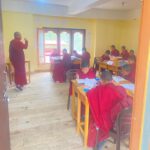
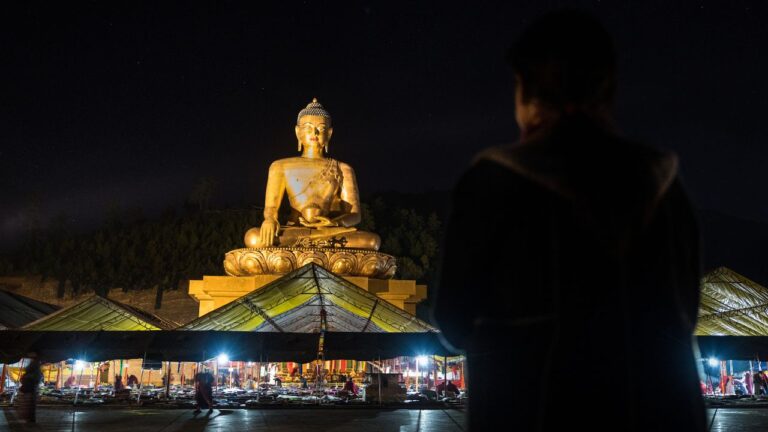
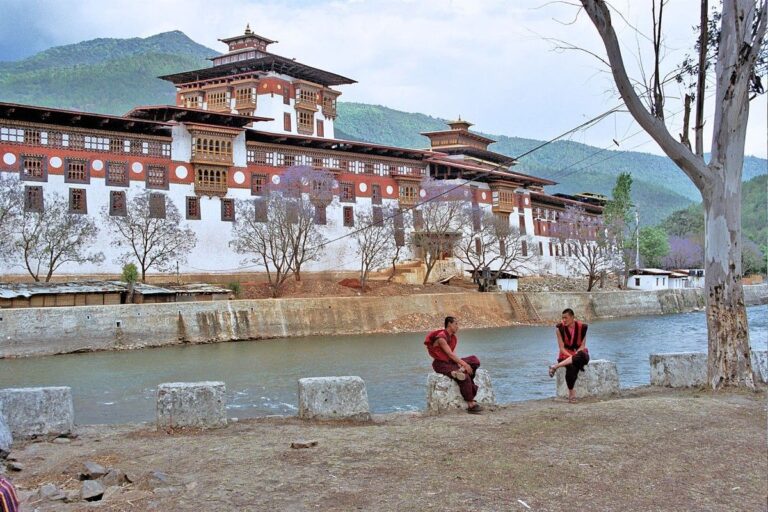
We begin the day at the National Memorial Chorten at first light — the city in its most honest hour. Then Tashichho Dzong from the Wang Chhu riverbank: the building that holds both the cabinet and the summer monk body, government and monastery under one roof. Lunch in the city. Afternoon at the Institute for Zorig Chusum — young Bhutanese in a government school learning thangka painting, bronze casting, wood carving, weaving. A policy visible as a room full of people. Dinner at the hotel.
-
Day 3 Thimphu to Punakha. Dochu La.
Drive over the Dochu La pass at 3,116 metres — 108 chortens on the ridge, the Himalayan range north of the cloud line on a clear day — and down into Punakha. Stop at Chimi Lhakhang above the farmland, then walk across the cantilever bridge over the Mo Chhu into Punakha Dzong. Dinner by the river.
-
Day 4 Punakha. The river and the valley floor.
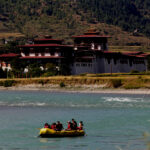
A morning in Punakha Dzong — built in 1637, still the winter residence of the Je Khenpo, at the confluence of the Mo Chhu and Pho Chhu rivers. Then a boat trip up the Mo Chhu to a weaving village. Lunch in the valley. A walk along the river path below the dzong in the afternoon. Free evening.
-
Day 5 Punakha to Bumthang. Through Trongsa.
A long drive east through the country — six to seven hours with stops, the landscape changing from the warm river valleys of the west to the open, high-altitude terrain of the centre. We stop at Trongsa Dzong, the ancestral seat of the royal family, perched on a spur above the Mangde Chhu gorge and commanding the single road between east and west Bhutan for four centuries. Then on through the Pelela pass and down into Bumthang at 2,800 metres. Dinner at the hotel.
-
Day 6 Bumthang. Kurjey and Jambay Lhakhang.
We begin at Kurjey Lhakhang — three temples built over eight centuries around the rock that bears the body print of Guru Rinpoche, pressed into the stone during his visit to Bumthang in the 8th century. The oldest temple is the smallest and the most sacred. Then Jambay Lhakhang, founded in the 7th century by the Tibetan king Songtsen Gampo: one of 108 temples placed simultaneously across the Himalayan region to pin a demoness to the earth. It is still served by resident monks and the courtyard walls still carry the original paintings on the inside face. Lunch in the valley. Afternoon walk along the Chamkhar Chhu river.
-
Day 7 Bumthang. Tamshing and the Jakar valley.
Morning at Tamshing Goemba, founded by Pema Lingpa in the 15th century and home to the oldest surviving textile thangkas in Bhutan — enormous fabric paintings hanging in the lower assembly hall, their colours still readable after five centuries. Then a walk through the Jakar valley: the apricot orchards and buckwheat fields that make Bumthang smell different from any other valley in the country. Lunch at a farmhouse. Free afternoon — the valley is wide and quiet and there is no reason to fill the time.
-
Day 8 Bumthang to Paro. The long return.
We drive back west through Trongsa and the passes, stopping for lunch in Punakha or Thimphu. The road is the same one you drove east on Day 5 but the direction reverses the emphasis — what was anticipation is now recognition. Check in to the Paro hotel by evening. Dinner in the valley.
-
Day 9 Paro. Tiger's Nest.
Three hours up to Taktsang at a measured pace. The monastery above the 900-metre cliff. After Bumthang, the scale of the sacred landscape in Bhutan is more legible — the kingdom builds its institutions into the geography rather than alongside it. Lunch at a farmhouse below the trail. Afternoon free.
-
Day 10 Depart Paro.
Breakfast at the hotel. Our team drives you to Paro International Airport for your morning flight. We send a postcard from Thimphu after you leave.
-
Day 1 Arrive Paro. Thimphu by evening.
Land at Paro on the morning flight. Drive to Thimphu, one hour east. Check in, walk the Memorial Chorten neighbourhood. Dinner in Thimphu.
-
Day 2 Thimphu. The modern capital.
First light at the National Memorial Chorten. Tashichho Dzong from the riverside. Lunch in the city. Afternoon at the Institute for Zorig Chusum. Dinner at the hotel.
-
Day 3 Thimphu to Punakha. Dochu La.
Drive over the Dochu La and down into Punakha. Stop at Chimi Lhakhang, then walk into Punakha Dzong across the cantilever bridge. Dinner by the Mo Chhu.
-
Day 4 Punakha. The river and the valley floor.
Morning in Punakha Dzong. Boat trip up the Mo Chhu. Lunch in the valley. Afternoon walk along the river path. Free evening.
-
Day 5 Punakha to Bumthang. Through Trongsa.
Long drive east, stopping at Trongsa Dzong on its spur above the Mangde Chhu gorge. On through the Pelela pass and into Bumthang at 2,800 metres. Dinner at the hotel.
-
Day 6 Bumthang. Kurjey and Jambay Lhakhang.
Kurjey Lhakhang — three temples across eight centuries, built around the body print of Guru Rinpoche. Then Jambay Lhakhang, founded in the 7th century, still resident, courtyard walls intact. Lunch in the valley. Afternoon walk along the Chamkhar Chhu.
-
Day 7 Bumthang. Tamshing and the Jakar valley.
Tamshing Goemba and the oldest textile thangkas in Bhutan. Walk through the Jakar valley — apricot orchards, buckwheat fields, the smell of the place. Farmhouse lunch. Free afternoon.
-
Day 8 Bumthang to Lhuentse. North into the gorge.
We drive north from Bumthang into Lhuentse district — a two-hour drive through increasingly dramatic terrain as the Kuri Chhu river cuts its gorge through the mountain. Lhuentse is one of the least-visited districts in Bhutan: almost no tourists, a small market town, and above it, perched on a rock spur high above the river, Lhuentse Dzong — the ancestral fortress of the Wangchuck royal family before they unified the kingdom. We arrive in the afternoon and walk below the dzong walls. Dinner in Lhuentse.
-
Day 9 Lhuentse. The dzong and the weavers.
Morning in Lhuentse Dzong — access requires a permit, which we have arranged, and the interior is largely unvisited. The dzong was built in the 17th century and the royal apartments are preserved as they were used. Then the weaving villages in the valley below: Kishuthara silk weaving, the most technically demanding traditional textile in Bhutan, done in households rather than workshops. Lunch in the valley. Afternoon at your own pace.
-
Day 10 Lhuentse to Bumthang to Paro. The full return.
Drive back south to Bumthang, then west through Trongsa and the passes to Paro — a long day on the road, but the landscape earns it. Lunch en route. Check in to the Paro hotel by evening. Dinner in the valley.
-
Day 11 Paro. Tiger's Nest.
Three hours up to Taktsang at a measured pace. The monastery above the cliff. Lunch at a farmhouse below the trail. Afternoon free.
-
Day 12 Depart Paro.
Breakfast at the hotel. Our team drives you to Paro International Airport. We send a postcard from Thimphu after you leave.
This journey may suit you if
- You prefer experiencing fewer places well rather than ticking off sights.
- You are curious about Bhutanese history, everyday life and living traditions.
- You prefer a considered pace with time to walk, stop and change plans.
Planning & Price
From USD 350 per person per day for 2 guests, including selected 3-star accommodation, private vehicle and licensed guide, all meals, permits, SDF and 24-hour support.
Prefer a higher-category stay? Explore our selected 4-star, 5-star and luxury properties, available at an additional cost.
What is included
All accommodation, on the basis described per day
Private vehicle and licensed driver throughout
Licensed Bhutanese guide throughout
All meals (breakfast, lunch, dinner)
All permits and entry fees
Sustainable Development Fee (SDF)
24-hour in-country support
What is not included
International flights to Paro
Visa fee (USD 40)
Travel insurance
Personal expenses, tipping, drinks at meals
Optional experiences (browse and add to your wishlist)
From this journey
What your journey gives back.
Bhutan is a carbon negative kingdom, where more than 70 percent of the land is covered in forests and the rivers remain clean and alive. The Sustainable Development Fee supports free healthcare, free education, and the protection of this extraordinary place.
This is not a tax. It is a shared commitment to preserve Bhutan for every generation that follows.
By visiting, you are not a tourist. You are a co-guardian of this kingdom.
Ready when you are.
Tell us roughly when you would like to come and how many you are. Our team in Thimphu will reply personally within 24 hours.
Plan this journey with our team